Common Visibility Risks on Inland Waterways (and How to Solve Them)
Inland marine operations don't stop when conditions get difficult. Vessels continue moving cargo through narrow channels, crews work long shifts, and schedules need to stay on track regardless of the time of day or weather.
In these environments, visibility is one of the most important factors in maintaining safe and efficient operations.
While nighttime and fog often get the most attention, visibility challenges show up in a variety of everyday scenarios on inland waterways. Understanding these risks and addressing them proactively can make a meaningful difference in crew safety, vessel performance, and overall reliability.
Low-Light Conditions and Night Operations
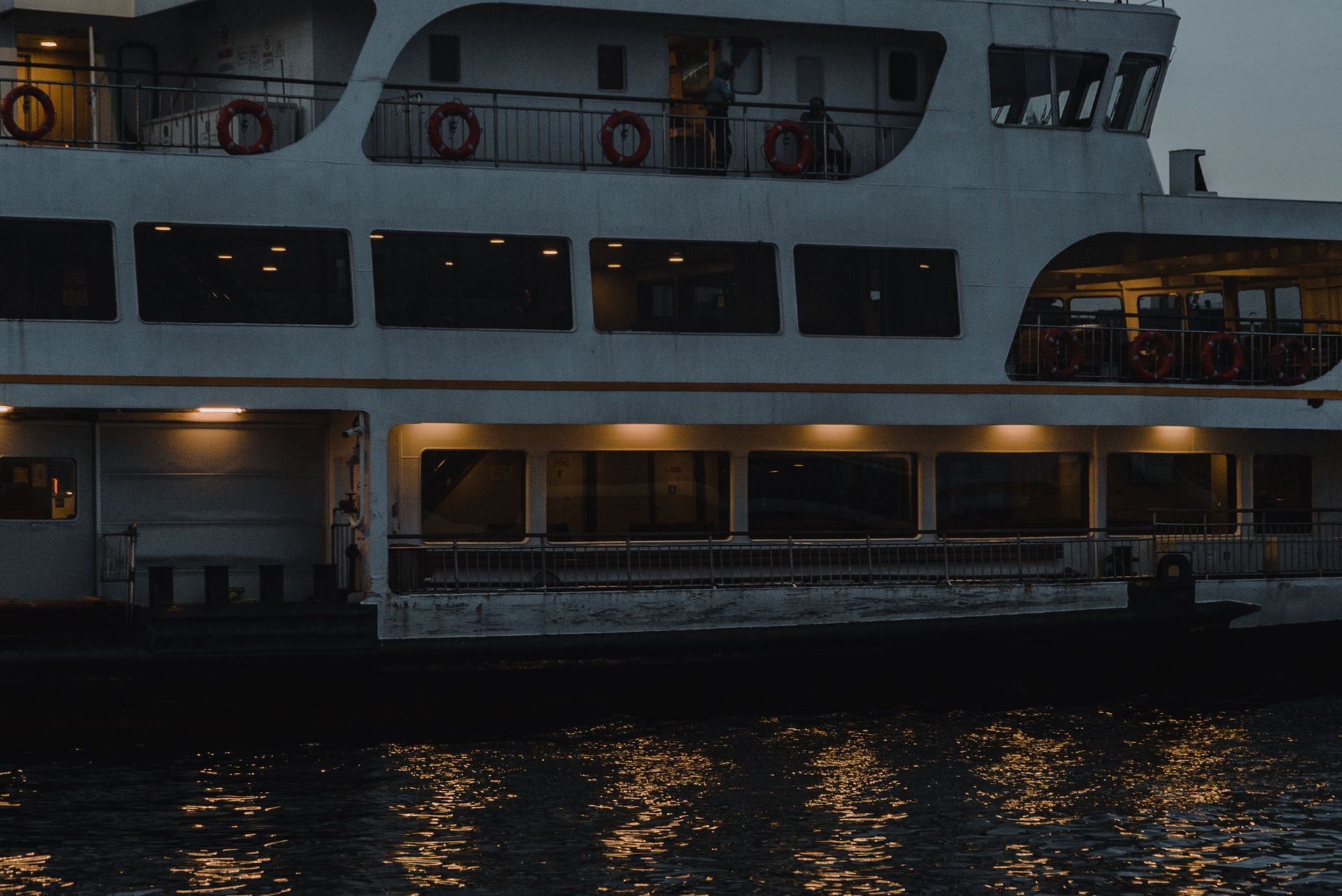
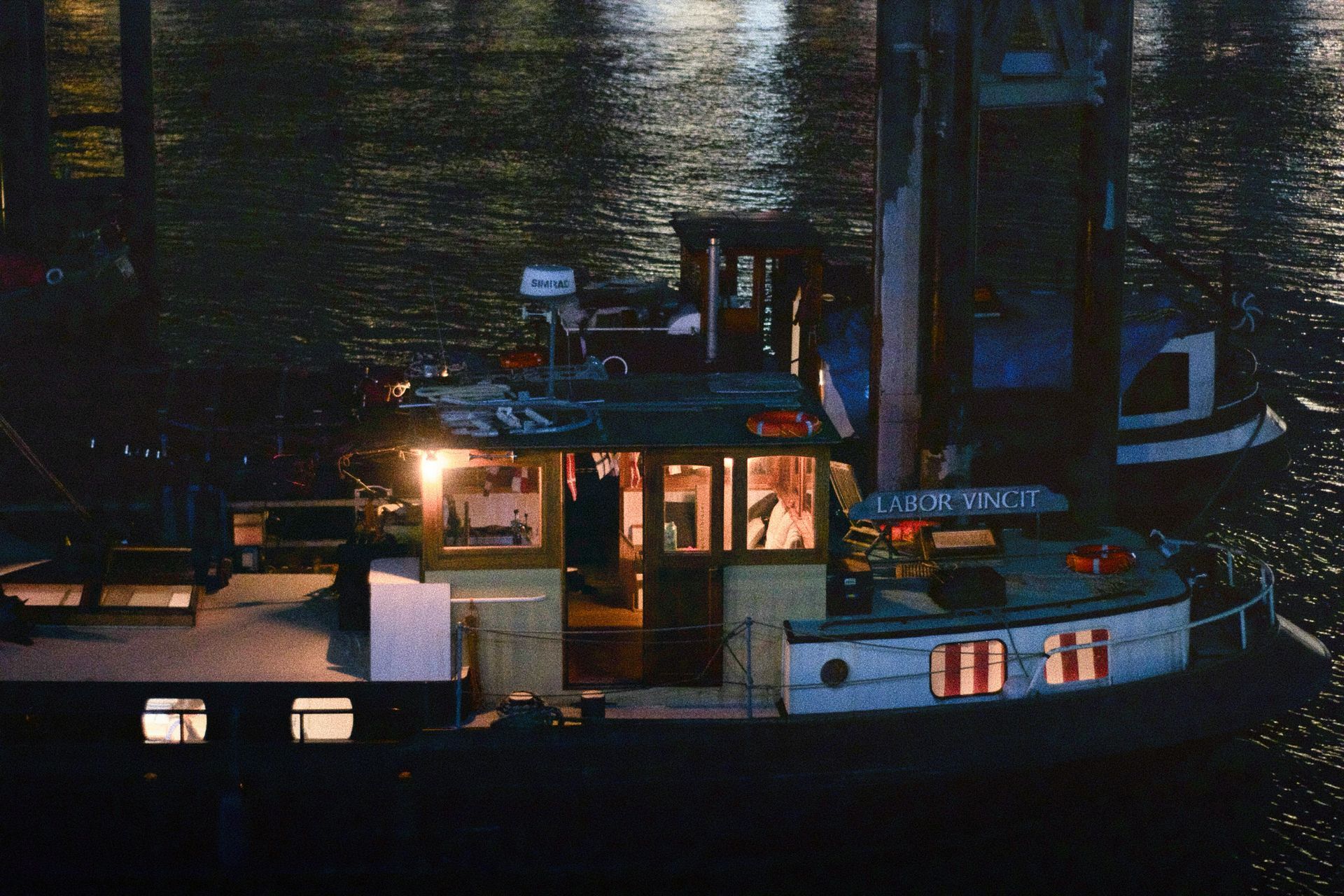
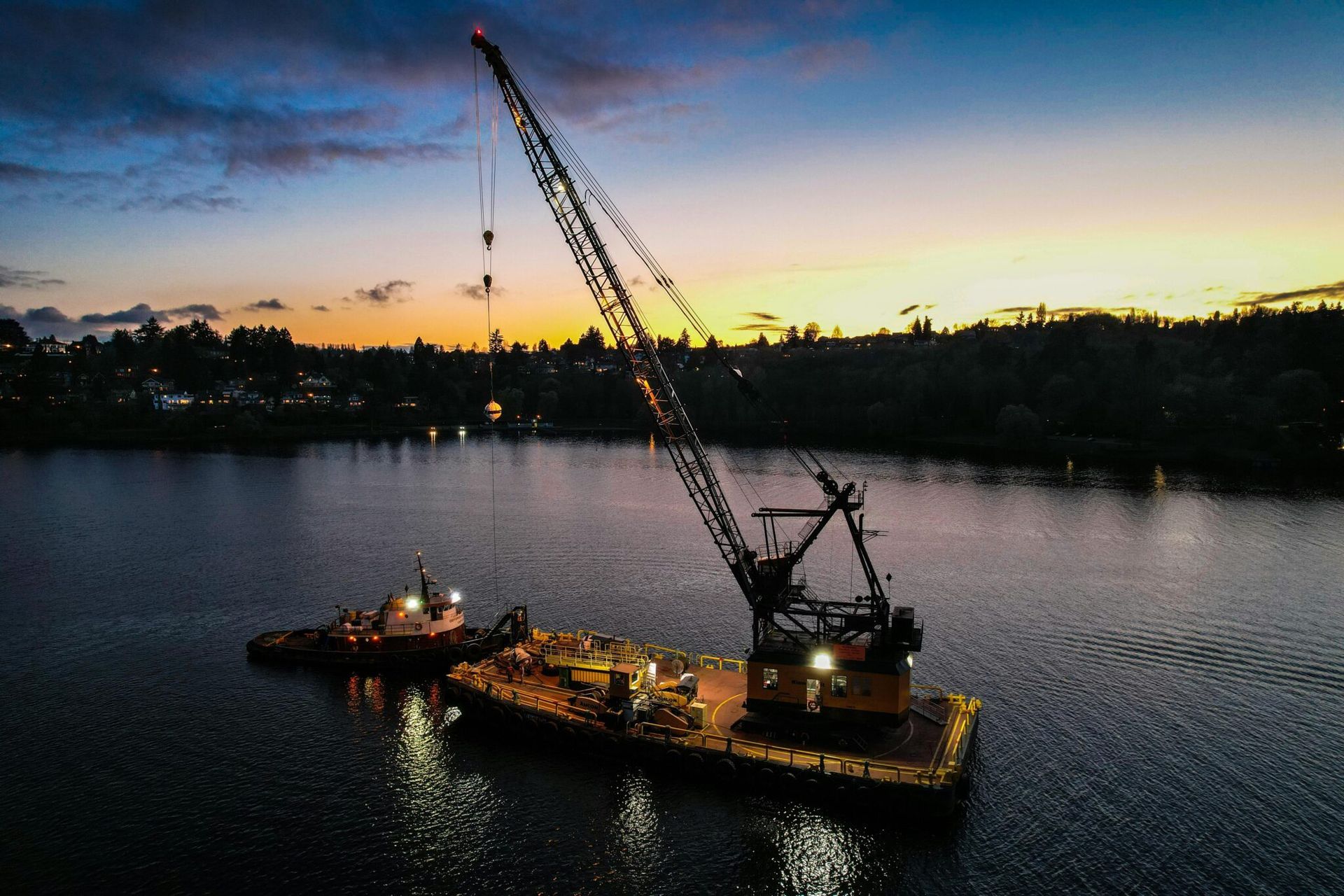
Reduced natural light is one of the most common visibility challenges inland operators face. Whether working before sunrise, after sunset, or through overnight shifts, crews rely heavily on onboard lighting to maintain awareness and control.
Limited visibility affects more than navigation. Tasks like line handling, equipment checks, and general movement on deck become more difficult and more dangerous when the lighting is inadequate. Shadows, uneven illumination, and poorly lit work areas all increase the risk of mistakes or injuries.
Effective lighting needs to support both the vessel's visibility to others and the crew's ability to safely carry out their responsibilities.
Weather-Related Visibility Challenges
Inland waterways are no strangers to rapidly changing weather conditions. Fog, rain, haze, and humidity can all reduce visibility in unpredictable ways.
Fog and mist can obscure channel markers, nearby vessels, and even the waterway itself, turning routine navigation into a much higher-risk situation. Rain introduces additional challenges by distorting visibility and creating glare, while humidity and condensation can impact lighting performance over time.
What makes weather-related visibility risks especially challenging is how quickly they can develop. Conditions that are manageable one moment can become significantly more dangerous the next, which means lighting systems need to perform consistently in less-than-ideal environments.
Inadequate or Failing Lighting Systems
Not all visibility issues are caused by external conditions. In many cases, the problem starts with the lighting itself.
Aging fixtures, dim bulbs, or worn components can reduce output without being immediately obvious. Over time, this leads to poor visibility, slower reaction times, and increased strain on operators who are trying to compensate for what they can't clearly see.
Even minor component failures (such as a faulty socket, loose wiring, or a burned-out bulb) can cause larger problems. What seems like a minor issue can quickly turn into a blind spot or a safety concern, especially during critical operations.
Keeping lighting systems in good working order is just as important as selecting the right equipment in the first place.
Poor Lighting Placement and Coverage
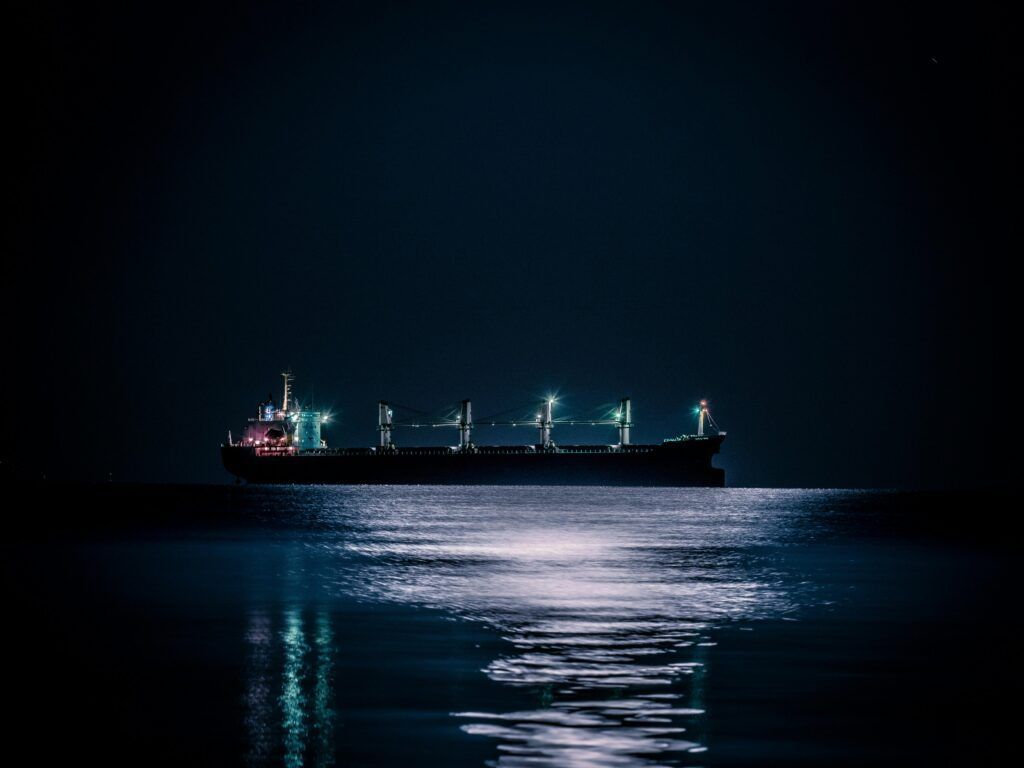
Having lighting onboard doesn't always guarantee good visibility. Placement plays a major role in how effective that lighting actually is.
Uneven coverage can create dark areas on the deck, while poorly positioned fixtures may leave key spaces, such as work zones or approach areas, underlit. At the same time, lighting that is too concentrated in one direction can create contrast issues or shadows that make it harder to see clearly.
Proper coverage means thinking beyond simply adding more lights. It involves making sure lighting is positioned to eliminate blind spots, reduce shadows, and provide consistent illumination where it's needed most.
High-Traffic and Tight Navigation Areas
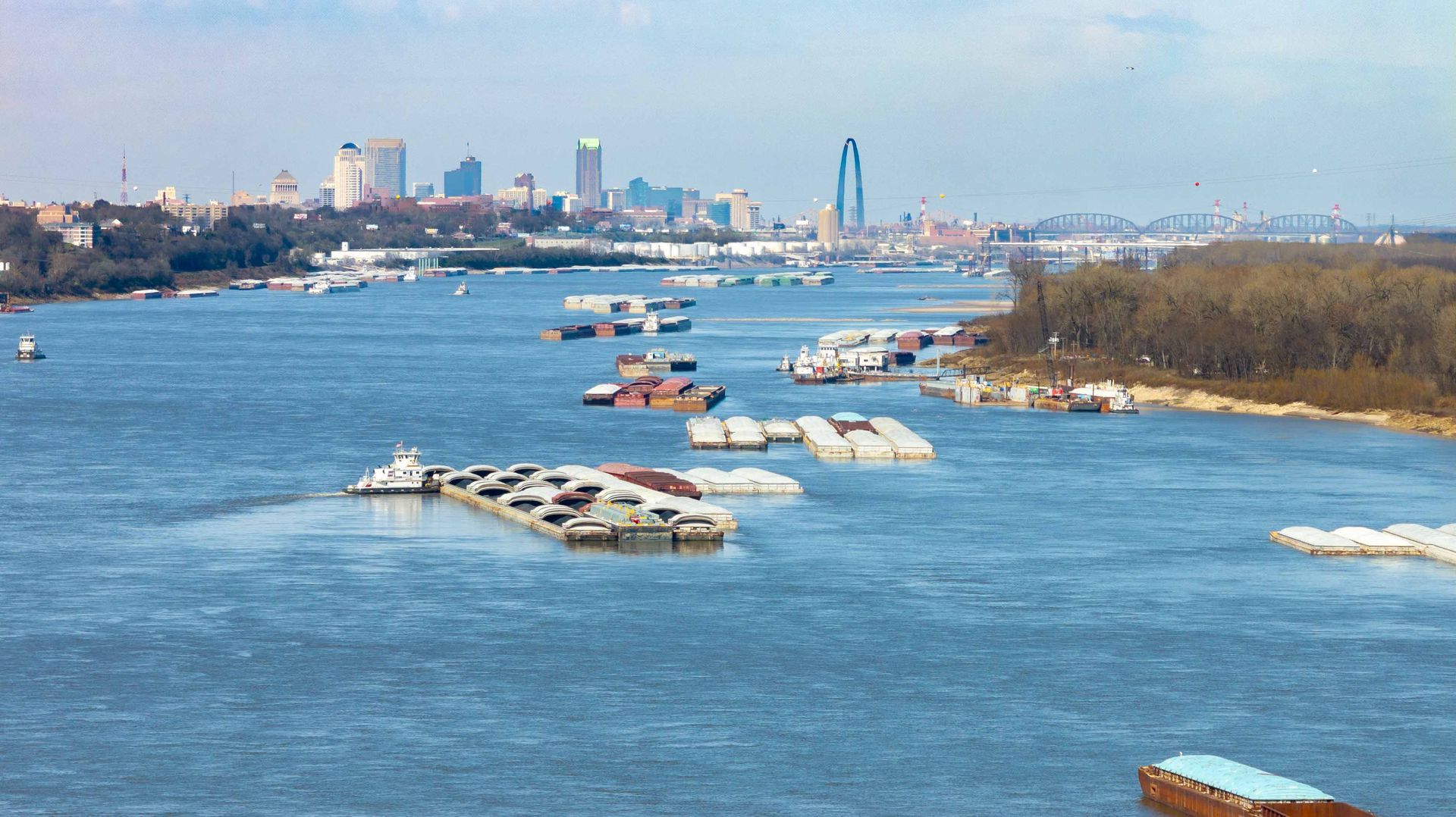
Inland waterways often include tight spaces and high-traffic zones, such as locks, dams, and narrow channels. These environments leave little room for error and place a greater emphasis on visibility.
Operators need to clearly identify other vessels, understand their movements, and communicate their own position at all times. In these conditions, even small visibility issues can increase the likelihood of close calls or delays.
Visibility is also a shared responsibility. When one vessel is difficult to see, it poses a risk to everyone on the water.
Lack of Backup or Redundant Lighting
Lighting systems are often expected to perform continuously, but like any equipment, they can fail unexpectedly. Without backup options in place, a simple failure can quickly escalate into a significant operational issue.
When primary lighting goes down, crews may be forced to slow operations or stop altogether until visibility is restored. In some situations, this can impact schedules, increase risk, or create unnecessary downtime.
Having backup lighting and spare components available provides an extra layer of protection and helps ensure operations can continue even when something goes wrong.
Taking a Proactive Approach to Visibility
Visibility challenges on inland waterways are unavoidable, but many of the risks can be reduced through a proactive approach.
Regular inspections and maintenance help identify issues before they lead to failure. Replacing aging or inconsistent lighting ensures systems continue to perform as expected.
Evaluating placement and coverage can eliminate blind spots and improve overall visibility, while keeping spare parts and backup lighting onboard helps crews stay prepared for unexpected issues.
Small improvements made in advance can prevent larger problems when conditions become more demanding.
Work With Archway Marine Lighting
Visibility plays a critical role in every aspect of inland marine operations, from navigation to crew safety to overall efficiency. While conditions like darkness and weather can't be controlled, how operations prepare for them can.
Archway Marine Lighting provides dependable marine-grade lighting and support to help inland operators improve visibility, safety, and performance in real-world conditions.
Give us a call today to discuss your inland marine lighting and safety needs.