Conduct a Marine Lighting Audit Before Problems Occur
Many marine lighting failures do not happen without warning. In most cases, problems develop gradually through corrosion, vibration, worn wiring, declining light output, or damaged fixtures.
Unfortunately, these issues often go unnoticed until they affect safety, visibility, or day-to-day operations. A routine marine lighting audit helps identify potential concerns early, allowing operators to address small problems before they become costly failures.
For vessels operating on inland waterways, regular lighting inspections can improve crew safety, reduce downtime, and help maintain consistent performance throughout the year.
Why Marine Lighting Audits Matter
Marine lighting plays a critical role in both navigation and onboard operations. Crews rely on properly functioning lights to move safely around the vessel, perform work after dark, and maintain visibility in changing weather conditions. As lighting systems deteriorate, the risks increase.
A proactive lighting audit provides an opportunity to catch issues before they disrupt operations. Rather than waiting for a fixture to fail during a critical task, operators can identify warning signs early and make repairs during scheduled maintenance periods.
This approach often reduces emergency service calls, minimizes unexpected downtime, and helps extend the life of lighting equipment.
Regular audits also create a more consistent maintenance process. When inspections are performed on a schedule, it becomes easier to monitor changes in performance and track recurring problems.
Start with Critical Visibility Areas
The first step in any lighting audit is evaluating the areas where visibility has the greatest impact on safety and productivity.
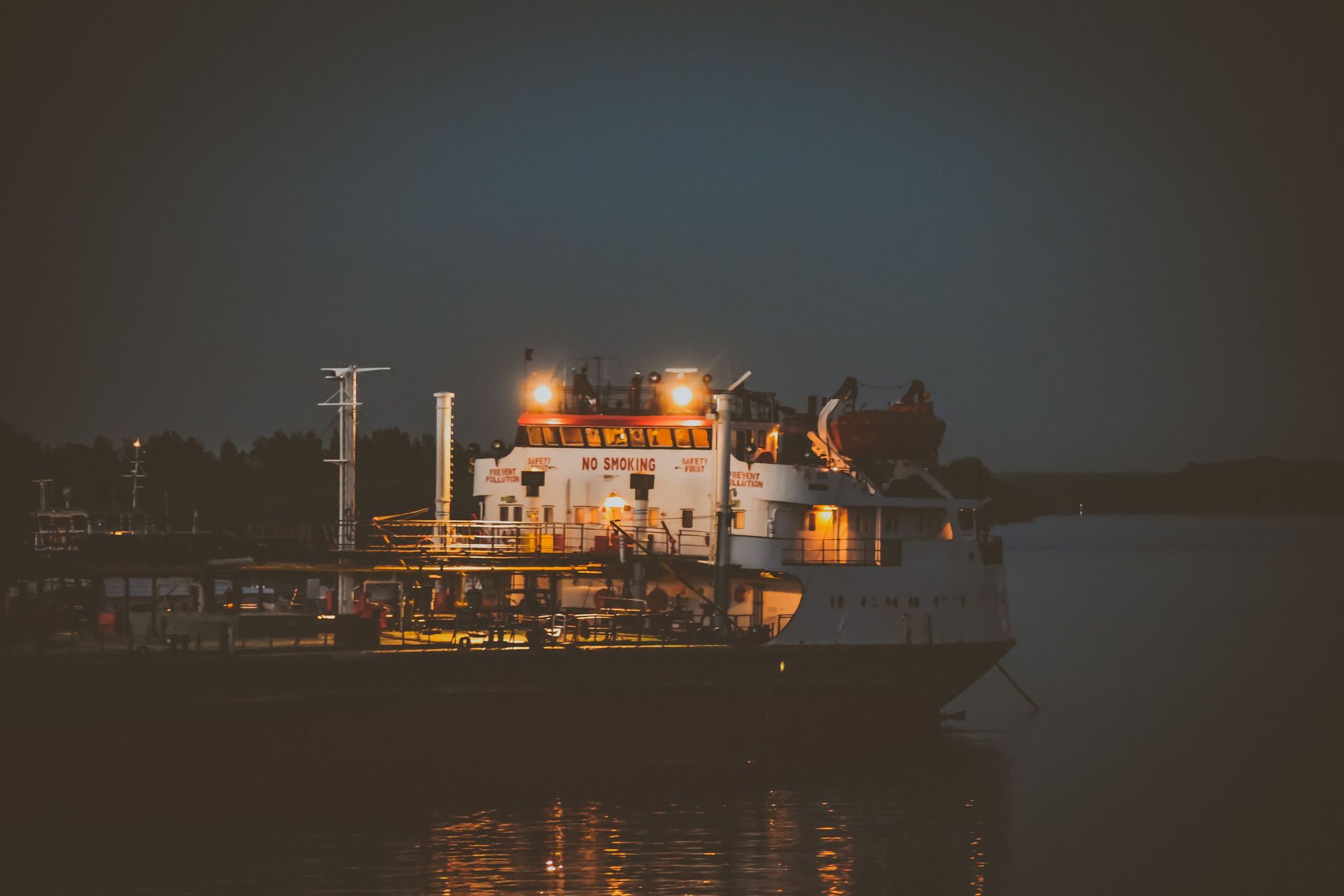
Begin by inspecting navigation lights and verifying that they are operating correctly. From there, move to work areas such as deck spaces, loading zones, walkways, stairways, and ladders.
These locations experience frequent traffic and often require consistent illumination during nighttime operations.
During the inspection, look for:
- Burned-out lamps or fixtures
- Areas with uneven illumination
- Shadows that limit visibility
- Fixtures that are improperly aimed
- Low-light areas that may create hazards
Even a small dark spot can increase the risk of slips, trips, or mistakes when crew members are working in challenging conditions.
Inspect Fixtures for Physical Damage and Corrosion
Marine environments are tough on lighting systems. Moisture, weather exposure, vibration, impacts, and debris all contribute to wear and tear over time.
As you inspect each fixture, look for signs of physical deterioration. Cracked lenses, damaged housings, loose mounting hardware, and missing seals can allow moisture to enter, compromising performance. Corrosion around fixtures or mounting points should also be addressed promptly before it spreads and causes more extensive damage.
Water intrusion is particularly important to monitor. Even minor leaks can lead to electrical issues, reduced brightness, or complete fixture failure if left unchecked.
A lighting audit provides an opportunity to identify these concerns while repairs are still relatively simple and affordable.
Evaluate Electrical Connections and Wiring
Not every lighting issue originates at the fixture itself. Many performance problems begin within the electrical system.
Take time to inspect wiring, connectors, terminals, and conduit for signs of wear or damage. Marine vibration can gradually loosen connections, while moisture and corrosion can weaken electrical components over time.
Pay close attention to:
- Loose electrical connections
- Corroded terminals
- Frayed or damaged wiring
- Evidence of overheating
- Worn protective conduit
Electrical issues often reveal themselves through flickering lights, intermittent operation, or inconsistent performance. Addressing these early can prevent larger failures that affect multiple fixtures or critical lighting systems.
Look for Signs of Performance Decline
Lighting does not need to stop working completely to become a problem. In many cases, declining performance occurs gradually and may not be obvious without routine inspections.
During your audit, observe each fixture's light output and compare it with surrounding fixtures. If certain areas appear dimmer than expected, the fixture could be nearing the end of its useful life.
Other warning signs include:
- Reduced brightness
- Uneven lighting coverage
- Flickering operation
- Changes in light color
- Increased maintenance requirements
Monitoring these indicators allows operators to plan replacements before failures occur, helping maintain safe working conditions across the vessel.
Create a Consistent Audit Schedule
The most effective lighting audits are not performed once. They become part of an ongoing maintenance strategy.
Many operators benefit from conducting monthly visual inspections, coupled with more comprehensive reviews during seasonal maintenance periods. Additional inspections before winter operations or high-demand work schedules can also help identify issues before conditions become more challenging.
Documentation is equally important. Keeping maintenance records allows teams to track recurring concerns, schedule future repairs, and identify equipment that may need replacement.
A consistent audit schedule helps prevent small problems from being overlooked and promotes long-term system reliability.
Keeping Your Lighting System Ready for the Job
A marine lighting audit is one of the simplest and most effective ways to improve vessel safety, reduce unexpected repairs, and support efficient operations.
By routinely inspecting critical visibility areas, evaluating fixture condition, checking electrical components, and monitoring lighting performance, operators can identify problems before they affect crews or vessel productivity.
If you're evaluating your vessel's lighting system or planning future upgrades, our team at Archway Marine Lighting can help you identify potential problem areas and find dependable lighting solutions built for the demands of inland marine operations.
Contact our lighting experts today!