Turtle-Safe Bulbs: Why the Right Marine Lighting Matters for Marine Life
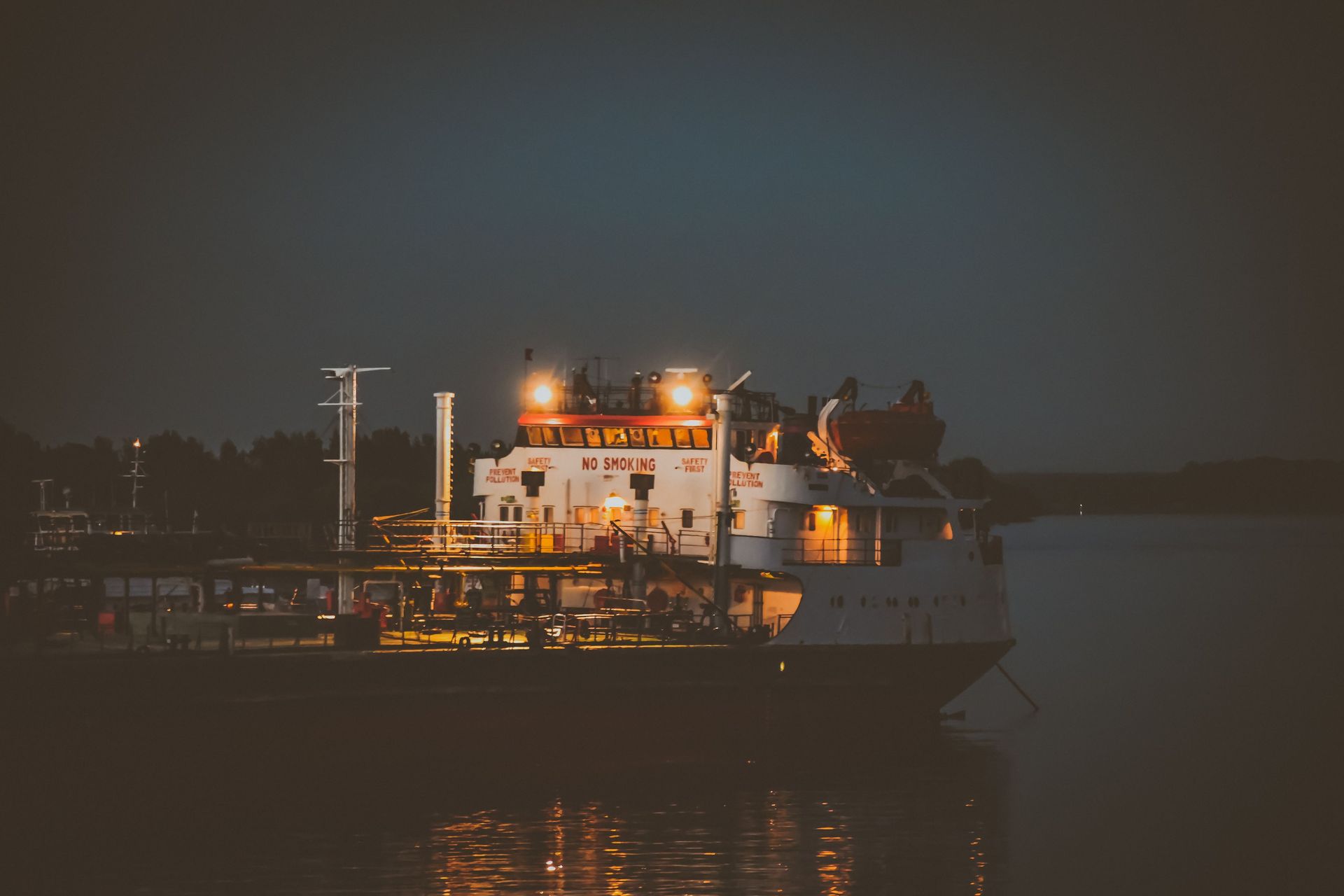
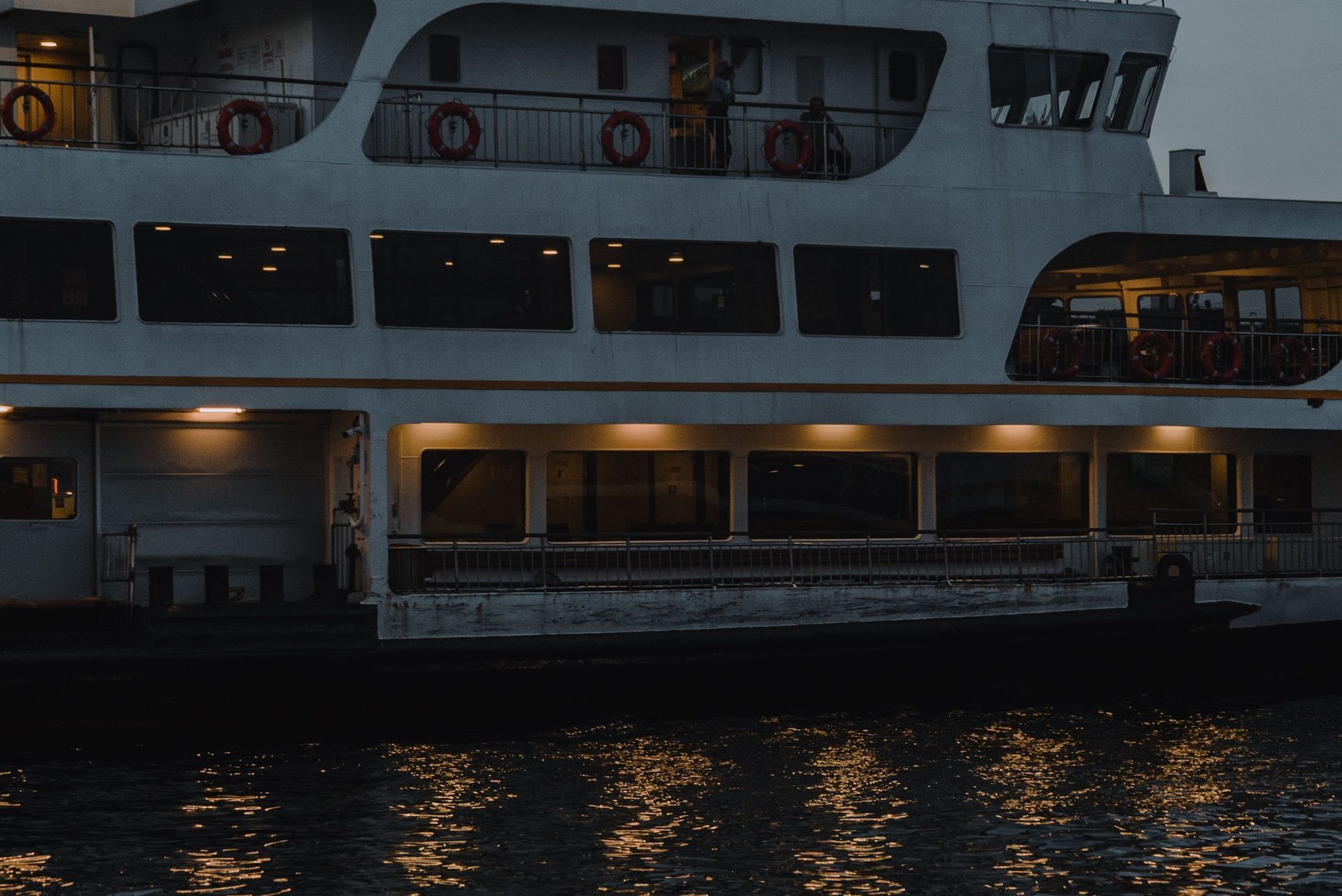
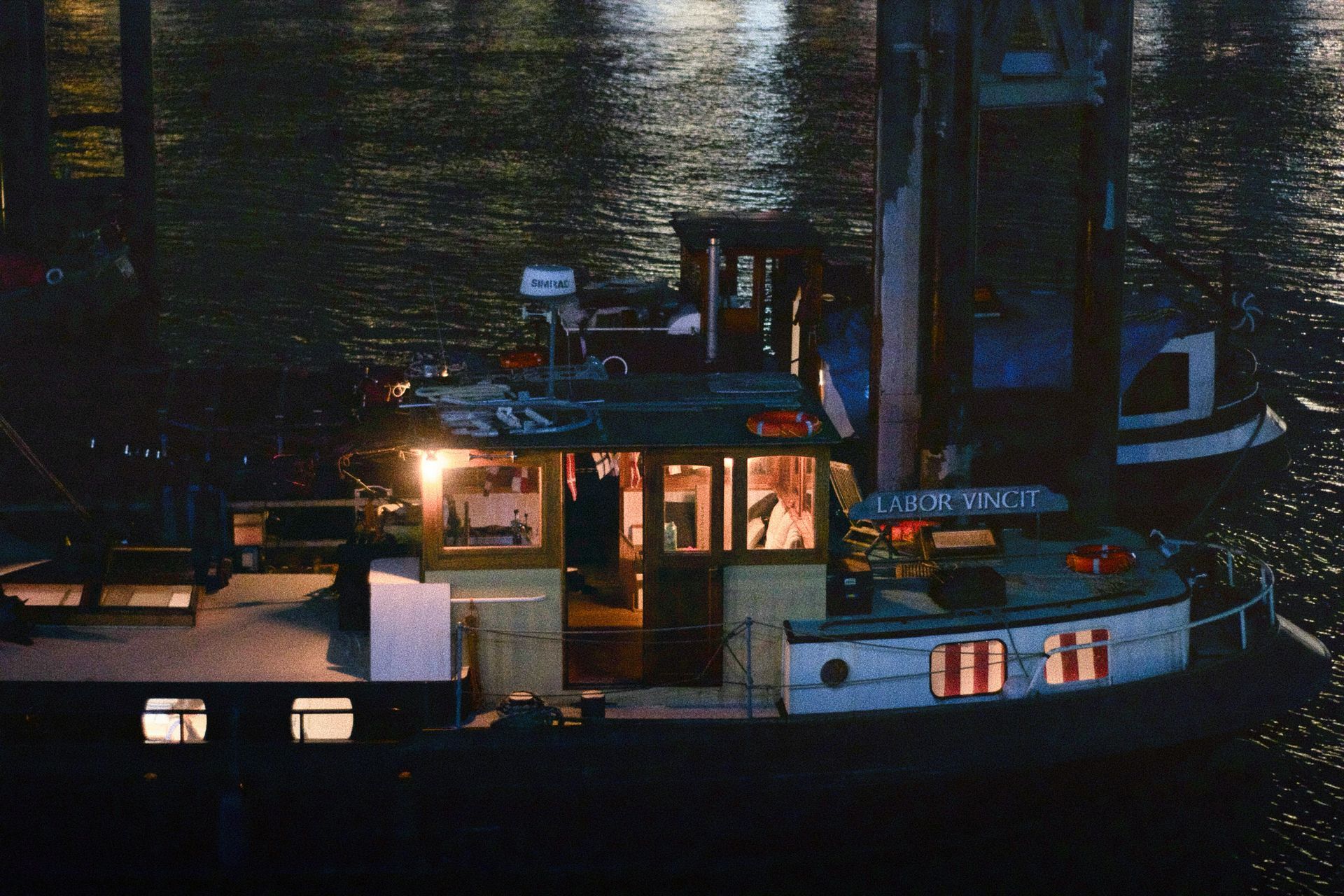
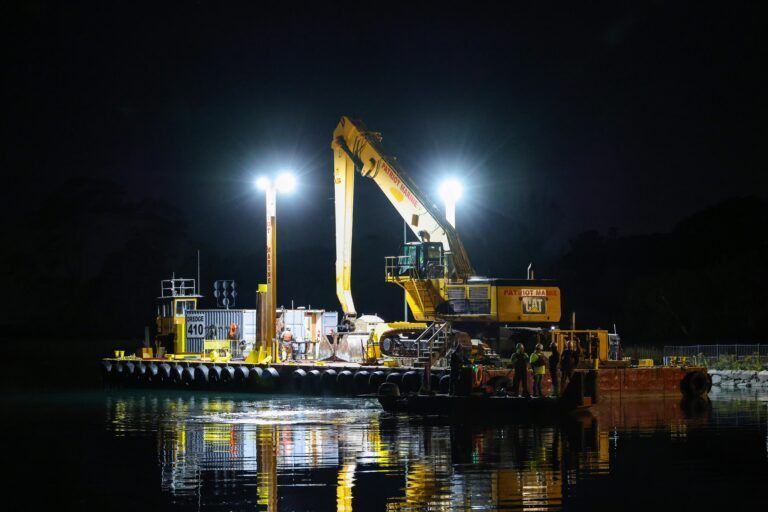
Lighting plays an important role around vessels, docks, marinas, ports, and coastal facilities. You need enough light to keep people safe, improve visibility, and support nighttime operations. But in areas near sensitive coastal habitats, the type of light you use can also affect the wildlife around you.
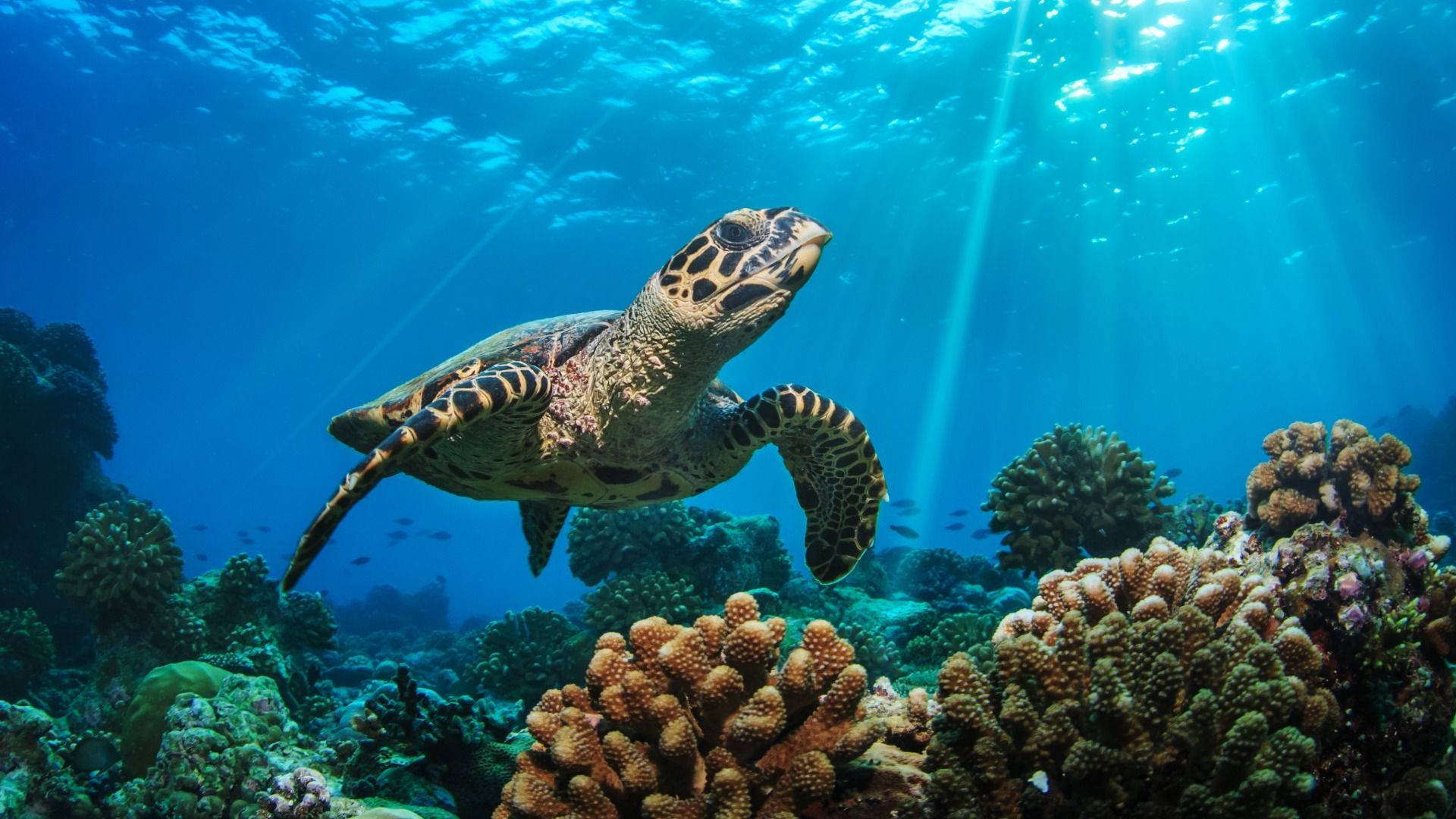
Sea turtles are especially sensitive to artificial light near nesting beaches. Bright or poorly directed lighting can interfere with the natural cues turtles use to navigate at night.
Choosing turtle-safe bulbs and using lighting responsibly can help reduce that impact while still providing the visibility your operation needs.
How Artificial Lighting Affects Sea Turtles
For sea turtles, darkness is an important part of the coastal environment.
After sea turtle hatchlings emerge from their nests, they rely on visual cues to orient themselves toward the ocean. Historically, the open horizon over the water provided a brighter natural cue than the darker land behind the beach.
Artificial lights can interfere with those cues. Lights from buildings, streets, docks, marinas, vessels, and other coastal development can cause hatchlings to move in the wrong direction or become disoriented.
The Sea Turtle Conservancy explains that hatchlings attracted toward land can face predators, vehicles, swimming pools, exhaustion, and other dangers. Bright beachfront lighting can also affect nesting adult turtles.
That makes responsible lighting an important consideration anywhere artificial light could be visible from sensitive sea turtle habitat.
What Makes a Bulb Turtle-Safe?
Turtle-safe lighting generally focuses on reducing the amount and type of artificial light that reaches areas where turtles nest and travel.
One of the biggest factors is wavelength.
Longer-wavelength colors, including certain amber, orange, and red lights, tend to be less disruptive to sea turtles than shorter-wavelength white and blue-rich light. Turtle-friendly lighting guidance recommends long-wavelength bulbs of at least 560 nanometers, along with low output and careful fixture placement.
Remember: Keep It Low, Keep It Shielded, and Keep It Long
A helpful approach to turtle-friendly lighting is to use low, shielded, and long fixtures. The Sea Turtle Conservancy recommends these three principles for reducing artificial light that is visible from nesting beaches.
Keep It Low
Use only as much light as you actually need.
Lower mounting heights and lower practical light output can help limit unnecessary illumination. The goal is to illuminate the work area without sending more light into the surrounding environment than necessary.
Keep It Shielded
Direct the light where you need it.
Shielded fixtures can direct light downward toward walking surfaces, work areas, or equipment rather than allowing it to spread toward the beach or horizon.
Good shielding can also benefit marine operations by directing usable light where crews actually need it, rather than wasting it in unwanted directions.
Keep It Long
Choose longer-wavelength lighting when turtle-friendly lighting is required.
Amber, orange, and red wavelengths are generally less attractive to sea turtles than shorter wavelengths. Turtle-friendly guidelines recommend wavelengths no lower than 560 nanometers.
The exact bulb or fixture you need will depend on the application and any location-specific requirements.
Turtle-Safe Lighting Is About More Than Color
It can be tempting to assume that switching from a white bulb to an amber bulb solves the problem. Responsible marine lighting requires a more complete approach.
Consider:
- The bulb's wavelength
- The amount of light produced
- Where the fixture is installed
- Which direction the light points
- Whether the fixture is properly shielded
- Whether the light is visible from a nesting beach
- How long the light remains on
- Whether lighting is necessary in the first place
Even red light is not completely harmless to sea turtles. The Sea Turtle Preservation Society cautions that artificial light, including red light, can still affect turtle behavior. Red and amber lighting should therefore be viewed as ways to reduce potential impacts, not as permission to illuminate sensitive areas without considering brightness, positioning, and visibility.
Why Responsible Marine Lighting Matters
Marine lighting has to balance several needs.
You have to provide safe visibility for crews and operations while considering the environment in which the lighting will be used. Near sensitive habitats, brighter is not always better; reducing unnecessary light can help minimize disturbance to wildlife while still providing useful illumination where people are working.
This is particularly important for marine operations because lighting decisions are rarely made in isolation. A single bulb may seem insignificant, but ports, docks, marinas, facilities, and vessels can collectively introduce substantial artificial light into coastal environments.
Making intentional lighting choices helps limit that unnecessary exposure.
Know the Requirements Where You Operate
Turtle-friendly lighting requirements can vary by location, so operators should not assume that a single bulb or fixture will satisfy every application.
Local regulations may address the types of lights permitted, wavelengths, fixture shielding, mounting, intensity, or when certain lights can operate during nesting season.
Before purchasing or installing turtle-safe lighting, check the requirements that apply where you operate. This is especially important if your vessel, dock, marina, or facility operates near known sea turtle nesting habitat.
A product described as amber, red, or turtle-friendly should not automatically be assumed to satisfy every local requirement.
Choose Marine Lighting With the Environment in Mind
Good marine lighting provides the visibility you need where you need it without creating unnecessary light elsewhere.
If your operation is located near sensitive coastal habitat, turtle-safe bulbs can be part of a responsible lighting strategy. Choosing appropriate wavelengths, keeping output low, shielding fixtures, positioning lights carefully, and following local requirements can all help reduce the effects of artificial lighting on marine life.
Archway Marine Lighting has more than 30 years of experience supplying lighting products for marine operations, including marine bulbs and other vessel lighting solutions.
If you aren't sure which lighting option fits your application,
contact our team of experts to discuss your lighting needs.