
What to Consider When Choosing LED Marine Lighting
Choosing LED Marine Lighting. With 30 years of experience in the marine lighting and supply industry and our knowledge of LED technologies, we’ve learned a thing or two about exterior marine lighting best practices. Pilot boats, tugs, barges, and more — we’ve tackled a wide range and seen our fair share of exterior marine lighting mistakes.
While we could spend hours (maybe even days!) educating the marine industry on the lessons we’ve learned, these are a few of the fundamental and more universal factors that lead to LED marine lighting success. From the docks to the vessels, pay close attention to the details to optimize exterior marine lighting.
Placement
It may go without saying, but the placement of your lighting is perhaps the biggest factor. You might be tempted to simply upgrade your existing fixtures with LED lighting to improve illumination, but that may not necessarily be a wise idea. Although LED marine lighting offers huge cost- and energy-saving benefits, and they can be brighter than traditional lighting, poor placement is still poor placement.
It’s a smart idea to make some changes if you’re in the design phase of a marine project or able to move the placement to improve lighting. If the fixtures can’t be shifted, look long and hard at different LED lighting options that allow you to change the color and intensity of light. Remember, too, that overly bright light could be just as dangerous as dim lighting.

Orientation
Orientation is really a byproduct of placement. Think about how the beam of light will be directed to illuminate areas that need the most light. Because LED lighting can be directional, it can provide light to spots where traditional lighting wasn’t sufficient. Improper orientation is also a problem. You should treat your marine lighting plan the same way you would treat an office or warehouse plan — think about the people using the space every day to understand optimal orientation.
These are the questions you need to ask and answer. If none of these are options then the color or temperature of the fixture should be addressed:
- Will the projected light meet the natural line of sight of the operator(s)?
- If it does, can the fixture be repositioned?
- If not, can another fixture not in the line of sight be used to make up the illumination for the fixture(s) that do?
Color
LED marine lighting comes in a wide variety of colors and color correlated temperature (CCT) measured in Kelvin units. A higher Kelvin count means the lighting is more bluish-white, and lower Kelvin lighting is warmer. Too high, and the lighting could be too bright and increase glare. Too low, and the lights could become bothersome to operators who are exposed to the light for longer periods of time.
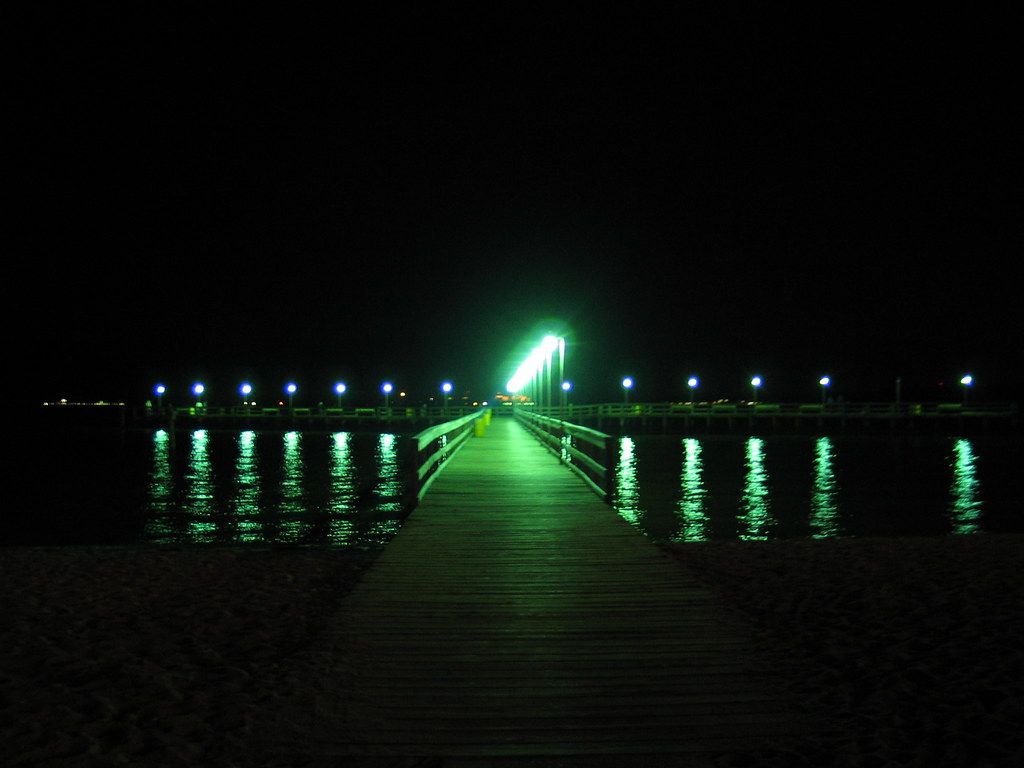
While these guidelines apply to non-colored LED lighting, marine lighting often uses other colors as well. If you’re using lighting for marine safety, don’t think that colors are interchangeable or that non-colored bulbs can be a replacement for red or green lights, especially when they’re being used to keep marine operators safe.
Quality
Not all LED marine lighting is created equal. It’s easy to think that the best option is the cheapest — but that’s not always the case. Lower quality lighting has a shorter lifespan and can be far less energy efficient, negating the switch to LED lighting for these purposes in the first place. Buying high-quality lighting can give you peace of mind knowing that it will withstand the test of time and keep operators safe without dying unexpectedly before the manufacturer’s lifespan claims.
Replacing lighting isn’t something you want to do alone. Working with a lighting partner that can steer you in the right direction is an important step. After a comprehensive audit of your current setup, a supplier with expertise in this area will be able to give suggestions on all of these important factors and work within your budget so you don’t have to compromise quality.
Whether you’re working on a new exterior marine lighting project or retrofitting a current layout, we are committed to delivering a high-quality product along with prompt, friendly, and professional customer service. We take great pride in our ability to provide our customers with products they need to help ensure they’re including these factors in their lighting plan. Let’s talk about your next exterior marine lighting plan!
The post What to Consider When Choosing LED Marine Lighting appeared first on Archway Marine.