A Guide to Port Safety
Commercial boaters worldwide are responsible for precisely navigating the water and handling cargo carefully. While safety is critical when vessels are out in bodies of water, it is also essential in the port. Ports can be busy, hectic places with many tasks that boaters and workers need to get done efficiently. It’s crucial for all involved to brush up on general port safety and loading/unloading procedures. Let’s go through some tips for inland marine boaters and beyond to use.
Understanding Port Traffic and Inland Marine Waterways
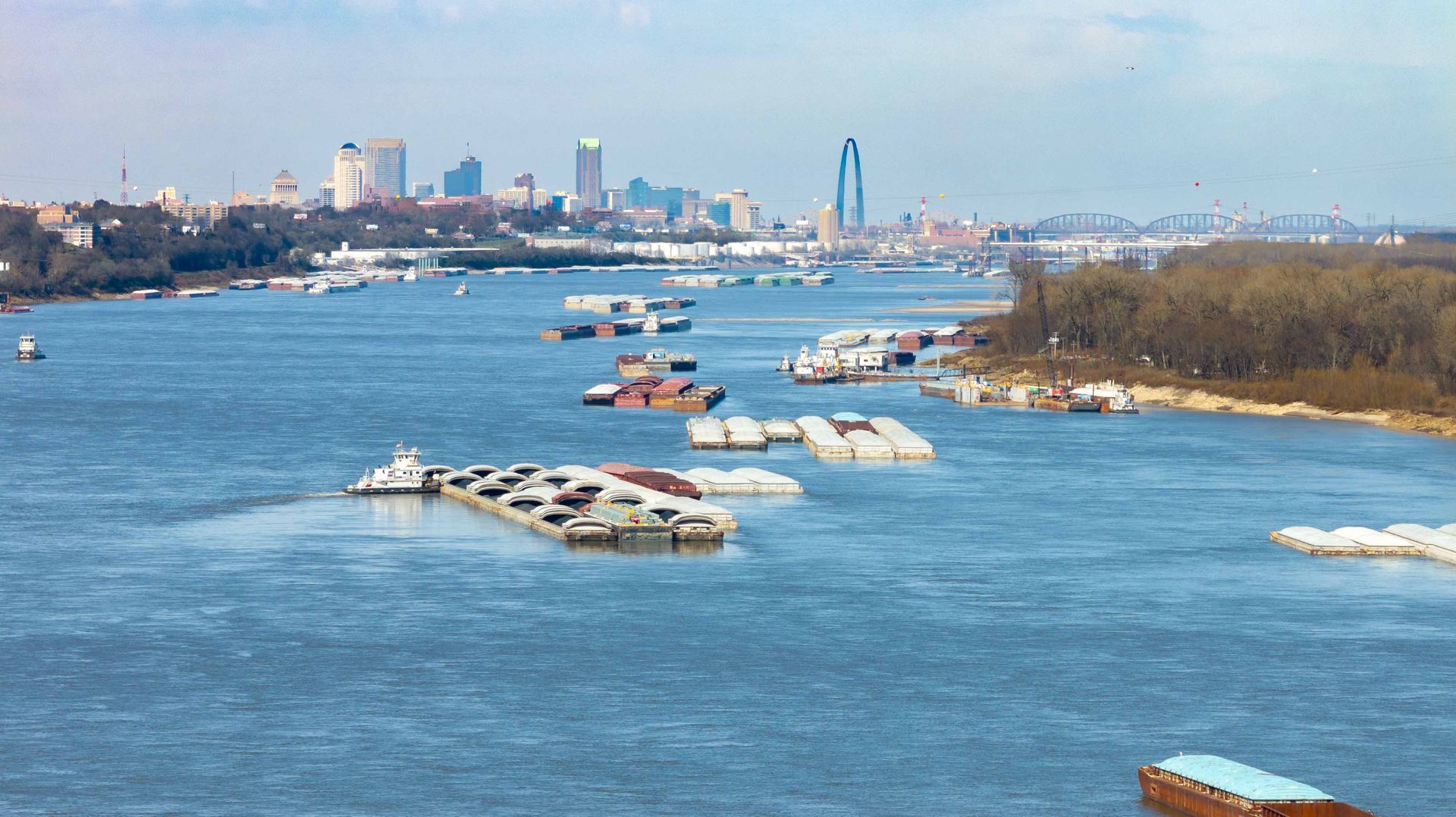
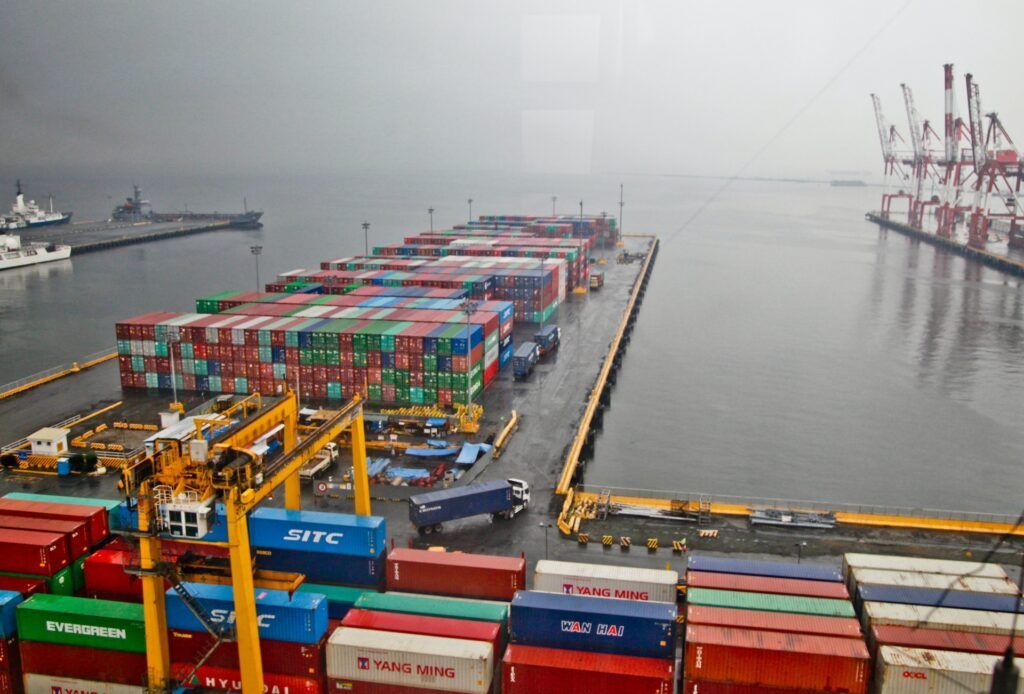
Commercial ports serve as vital gateways for the movement of goods worldwide. The ebb and flow of port traffic can be likened to orchestrated chaos, requiring meticulous planning and execution. Inland marine waterways, such as rivers and canals, contribute significantly to this network, offering efficient routes for cargo transportation. Navigating this intricate web of waterways and ports demands a keen understanding of traffic management.
Cargo Specifications and Handling
The weight and nature of cargo are pivotal factors that influence port safety. Ensuring compliance with cargo specifications and weight limits is imperative to prevent overloading, unbalanced loads, and potential accidents. Experienced boaters recognize the importance of adhering to these specifications, as mishandling cargo can lead to catastrophic consequences for both the vessel and the port.
Loading and Unloading Safety Standards
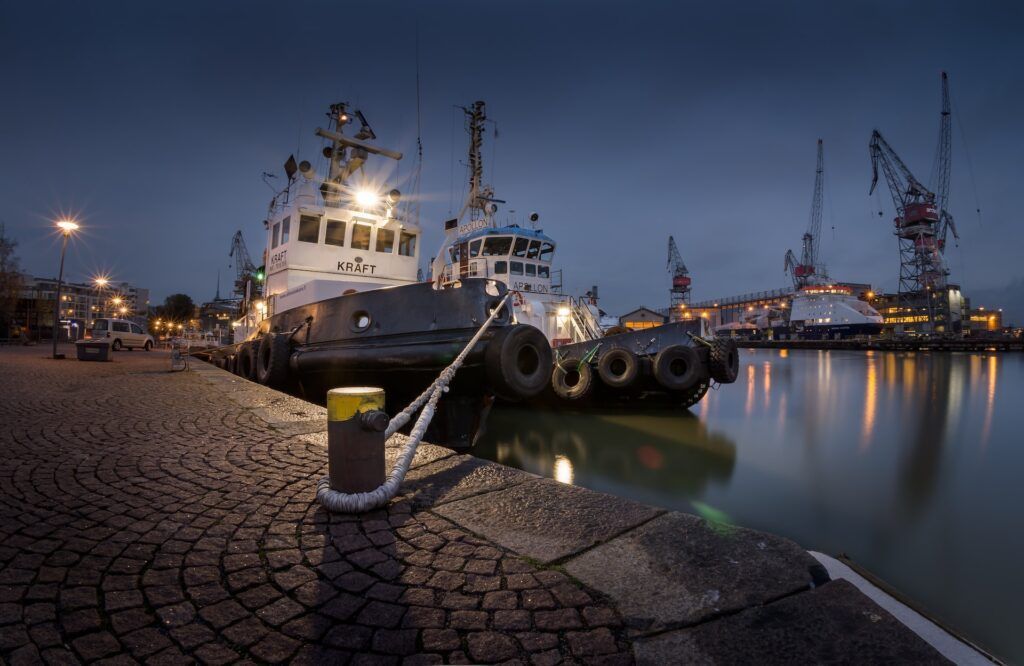
Loading and unloading operations are pivotal junctures in port activities. Following stringent safety standards during these operations mitigates the risk of accidents, injuries, and damage to goods. The team should have the proper equipment and use safe techniques to handle cargo efficiently and securely.
Archway Marine Lighting’s commitment to safety is evident in its range of LED lighting products, which contribute to well-lit loading and unloading areas, reducing the potential for mishaps.
Incident Reporting and Emergency Response
Despite rigorous safety protocols, accidents can still occur. Immediate incident reporting is critical in prompt emergency response. Whether it’s a spill, collision, or another unforeseen event, quick reporting minimizes the impact of the incident and allows for a swift and effective response. Regulatory bodies often provide guidelines for incident reporting, ensuring a cohesive approach to addressing emergencies.
Training and Skill Development
A well-trained workforce is the bedrock of port safety. Training programs covering equipment operation, safety protocols, and emergency response empower port personnel and boat operators to navigate potential hazards confidently.
Severe Weather Safety Measures
Mother Nature can pose formidable challenges to port operations. Severe weather conditions like storms, fog, and ice demand heightened safety measures. Vigilance and preparedness are crucial in navigating these conditions safely. In extreme weather cases, vessels may need to come into ports that weren’t their final destination to wait out the storm. Accommodate all ships and boating teams as best as possible.
Adequate Lighting for Port Safety
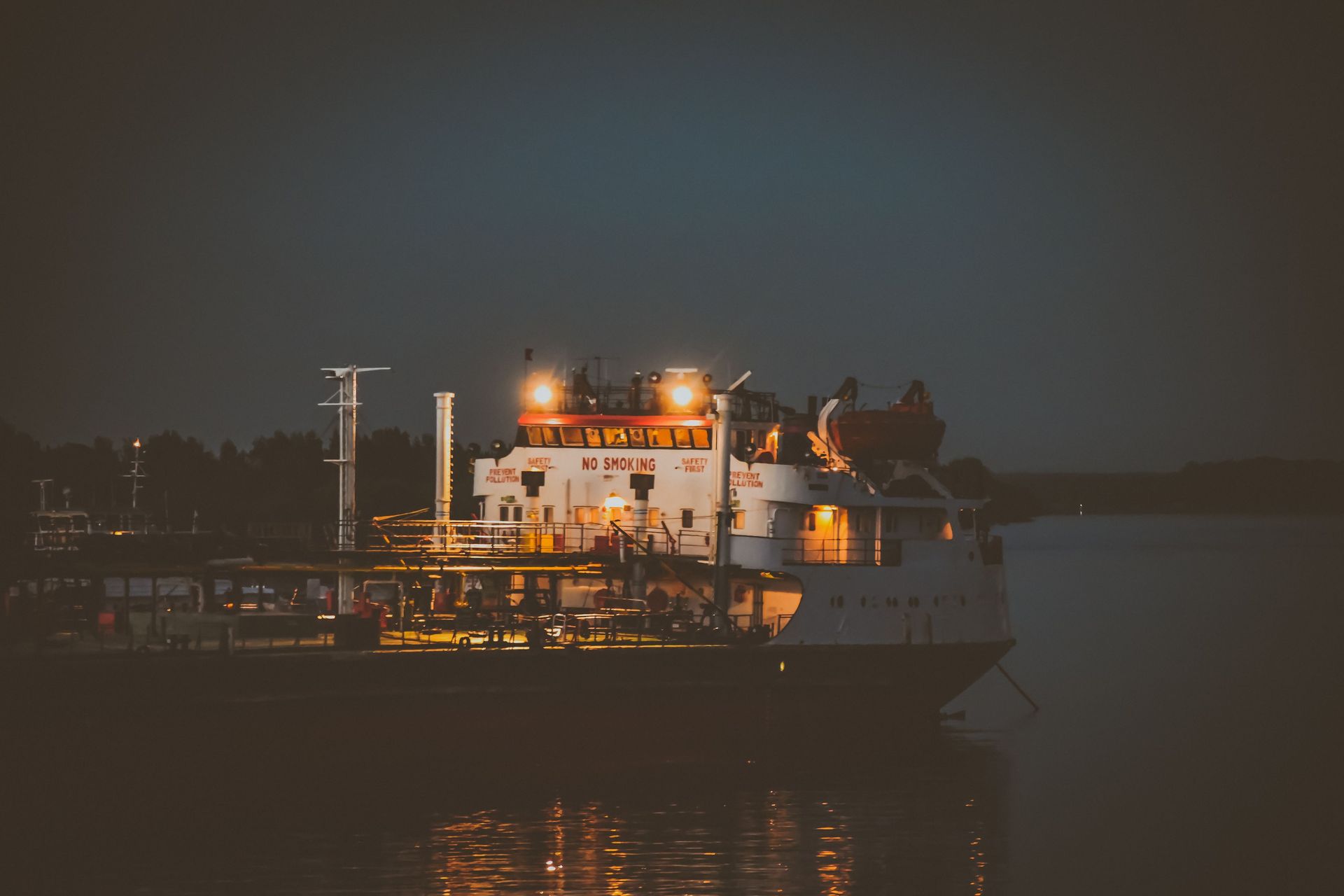
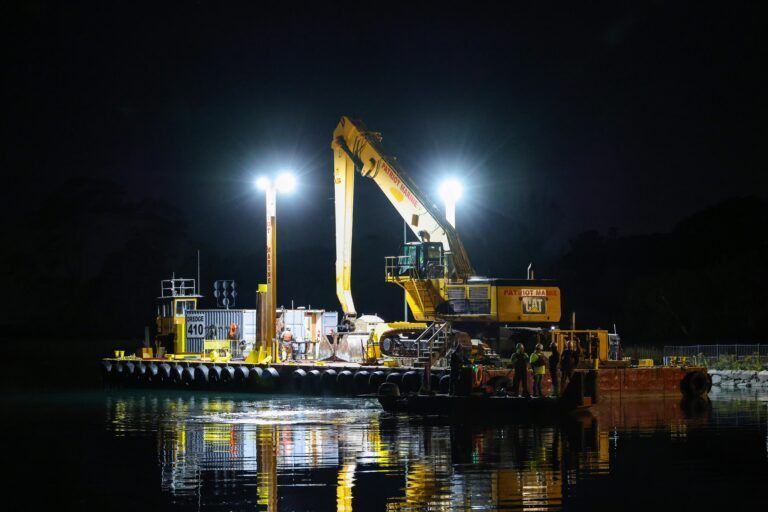
Amidst the array of safety measures, adequate lighting stands out as a cornerstone of port safety. Proper illumination ensures straightforward navigation, efficient operations, and heightened awareness. Archway Marine Lighting’s LED marine lighting products offer superior visibility while optimizing energy efficiency. With a range of lighting solutions tailored to port needs, Archway Marine Lighting illuminates the path to safer waters.
Crowd Control and Public Safety
Crowd control in port areas is crucial during peak activity. Port staff should manage pedestrian and vehicular traffic to prevent accidents and streamline operations. Proper lighting plays a pivotal role in effective crowd control.
Work With Archway Marine
Safety within commercial boating and port operations is multifaceted, demanding diligence and cooperation from all stakeholders. Our team at Archway Marine Lighting is committed to providing top-tier LED marine lighting solutions for the inland marine industry. From managing port traffic to adhering to cargo specifications, Archway Marine Lighting supports commercial boaters who prioritize port safety.
As we navigate the waters of commerce, let’s remember that by embracing safety protocols and leveraging advanced lighting solutions, we chart a course toward a safer, more efficient maritime future. Contact us today!
The post A Guide to Port Safety appeared first on Archway Marine.