Invasive Aquatic Species in North America
The United States is home to incredible waterways, from our rivers and streams to the Great Lakes to our coasts. Our waterways represent life, health, transportation, cities, and industry. So, when there are threats to the health of these waterways, boaters and community members need to watch out for these threats and stay informed.
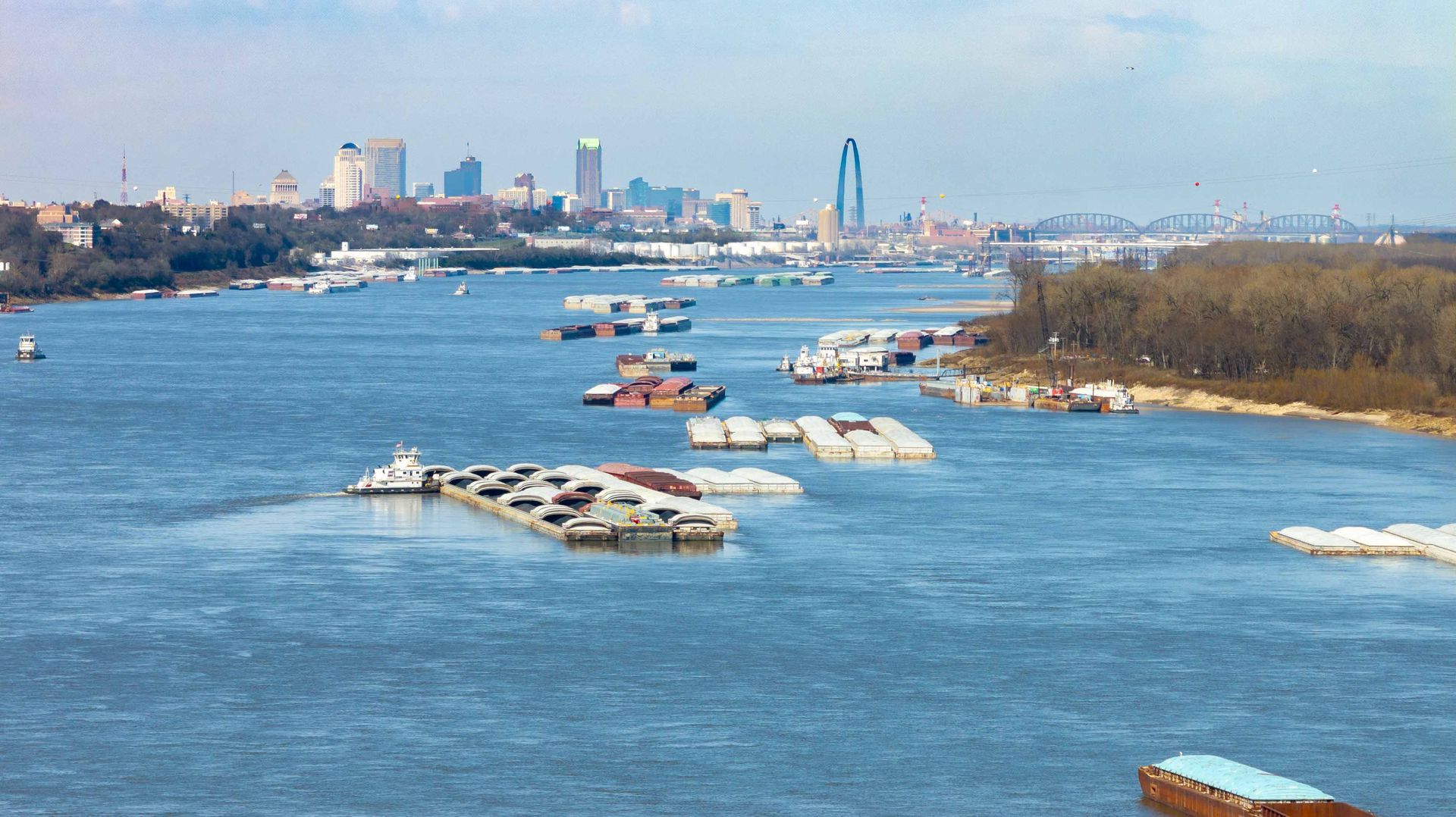
Invasive species (plants and animals introduced to an environment different than their natural one) in our inland waterways can threaten native species and the overall quality of the water. Let’s explore some invasive aquatic species in our inland waterways, particularly the Mississippi River.
Zebra Mussels
By now, most boaters (commercial and recreational) are likely aware of zebra mussels. These freshwater mussels originally came from lakes in Ukraine and southern Russia and have been considered invasive species in North America for decades. Zebra mussels can harm water quality and clog pipes, reproducing rapidly and quickly spreading through waterways as they can latch onto the bottoms of vessels.
The best way to avoid zebra mussels is to ensure your vessels are free of them before entering the water. Many bodies of water require boaters to do this per state or local regulations.
Round Gobies
Round gobies are another invasive species that have spread throughout North America, especially in the Great Lakes. The round goby is an aggressive predator and has been outcompeting native species of a similar size. That said, round gobies have integrated into the food web in specific watersheds and have yet to have a substantial negative impact. Lake sturgeon, walleye, bass, and more can eat round gobies. Still, round gobies have been disruptive in many areas throughout the Great Lakes region.
Asian Carp
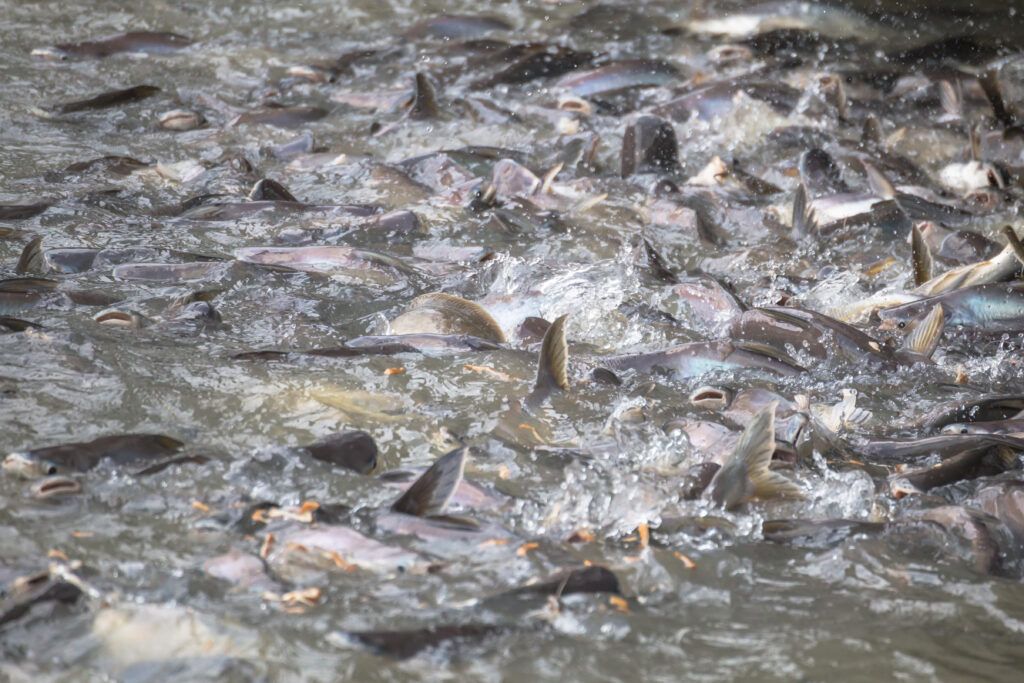
Carp are common in the United States, but recently, carp species originating from Asia have been causing problems in the Mississippi River and its surrounding watersheds. “Asian carp” refers to black, silver, bighead, and grass carp varieties. These Carp are incredibly competitive and can not only outcompete native species but also injure boaters and damage equipment with their ability to jump out of the water.
Asian Carp can jump barriers and low dams, eat smaller species that native fish typically eat, and even grow to 110 pounds. The best ways for boaters and community members to aid state and federal agency efforts is by never releasing fish from one body of water to another, draining boats, and minimizing the use of Mississippi locks for watercraft travel.
Common Buckthorn
Common buckthorn is a river shrub that can grow quite tall; it is native to Europe and Western Asia and brought to the United States for ornamental purposes. Unfortunately, common buckthorn can block out sunlight and crowd native plants to inhibit their growth. It can also release chemicals into the soil to harm the growth of native plants.
Faucet Snails
Like zebra mussels, faucet snails have been around the Great Lakes area for a while. Native to Europe, they were accidentally introduced via ballast water. They host parasites that have caused native species to die, particularly ducks in Minnesota and Wisconsin rivers and lakes.
Also, like zebra mussels, they can attach themselves to boats, fishing equipment, and trailers. Boaters must check their equipment for faucet snails before entering the water or moving to another area.
Work With Archway Marine Lighting
For those who navigate the different waterways in the United States, it is essential to have an awareness and general knowledge of these invasive species to help curb and even reduce their presence. Vigilance is vital when protecting your equipment, the waterways, and native species. Check your vessels before launching, and note areas with heavy populations of these invasive organisms.
The inland marine industry is essential to many areas, so it is vital to have the right equipment and team to consult with. At Archway Marine Lighting, we have been in the industry as a supplier for 30 years. Check out our catalog, and let’s connect today!
Sources: University of Wisconsin, National Park Service, The New York Times, USDA National Invasive Species Information Center, Cornell University, University of California Riverside
The post Invasive Aquatic Species in North America appeared first on Archway Marine.