Marine LED Lighting Best Practices
While most of our customers come to us for their commercial lighting needs, many are like us and enjoy their recreational boats when they are not working on the water. Boating is already fun enough; imagine how better it can be when you customize your boat with LED lights! Whether you’re looking to increase safety or visibility or just looking to have a little fun on the water, there’s an LED lighting accessory to make it happen. With so many options, you can customize the look of your boat to get the attention of other boaters and reduce the chance of an accident. Here’s what you need to know about marine LED lighting best practices to give you a return on this investment.
Work With Lighting Professionals
Not all LED marine lighting is created equal. Lower quality lighting has a shorter lifespan and can be far less energy efficient, negating the switch to LED lighting for these purposes in the first place. Buying high-quality lighting can give you peace of mind knowing that it will withstand the test of time and keep operators safe without dying unexpectedly before the manufacturer’s lifespan claims.
Replacing lighting isn’t something you want to do alone. Working with a lighting partner that can steer you in the right direction is an important step. After a comprehensive audit of your current setup, a supplier with expertise in this area will be able to give suggestions on all of these crucial factors and work within your budget, so you don’t have to compromise quality.
The Benefits of LED Lighting
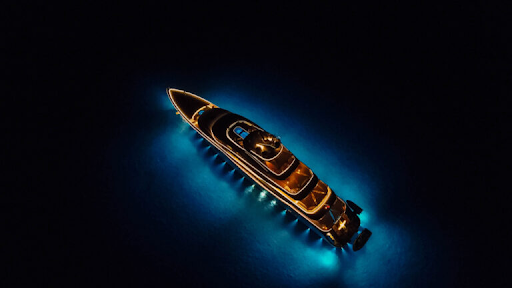
Fewer replacements, less maintenance, and lower ownership cost are just a few of the benefits of marine LED lighting. While the lifespan of marine LED lighting depends on its use and application, most standard lamps last 50,000 hours, while dimmable LED lamps can last nearly 100,000 hours. Theoretically, for facilities along the inland waterways with lights on 24/7, this could mean six years of longevity.
Unlike incandescent lamps, LEDs don’t have a filament to break or fail. Instead, they’ll slowly lose output over time. Manufacturers will rate lighting signifying when 50% of bulbs that are quality tested will reach 70% brightness (B50-L70). The L-rating will change depending on your option; B50-L50 would reach 50% of brightness by the end of the 50,000-hour lifespan.
Inspect for Dimness
Traditional lights will burn out when they’re no longer functional — a sure sign that they need to be replaced. Before LEDs hit the mass consumer market, fixtures and lamps were sold separately based on the shorter (1000-5000 hours) lifespan of traditional incandescent lighting. Although this saved replacement time because you could swap out lamps, the budget for lighting was astronomical.
On the other hand, LEDs will become dimmer over time, and this dimness is the first sign that it’s time for replacements. In turn, the lower lighting output can cause eye strain and chronic headaches for employees and even impact the safety and maneuverability of a facility. Working with an experienced, expert distributor will offer a better idea of how much life your LEDs currently have left.
Don’t Forget Marine Safety
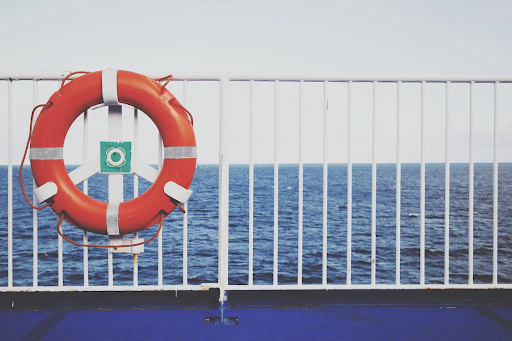
Even with the best lighting, accidents can happen, and your boat needs to be equipped with the necessary gear and survival tools. Never leave the dock without taking marine safety precautions; high-quality life vests and flotation devices will give you peace of mind that you’re prepared.
Reach out to our team of marine lighting experts to better understand exterior marine lighting options, especially if you’re interested in upgrading to LED lighting. Whether you’re working on a new marine lighting project or retrofitting a current layout with marine LED lights, we are committed to delivering a high-quality products with prompt, friendly, and professional customer service.
The post Marine LED Lighting Best Practices appeared first on Archway Marine.